Insights23 min read
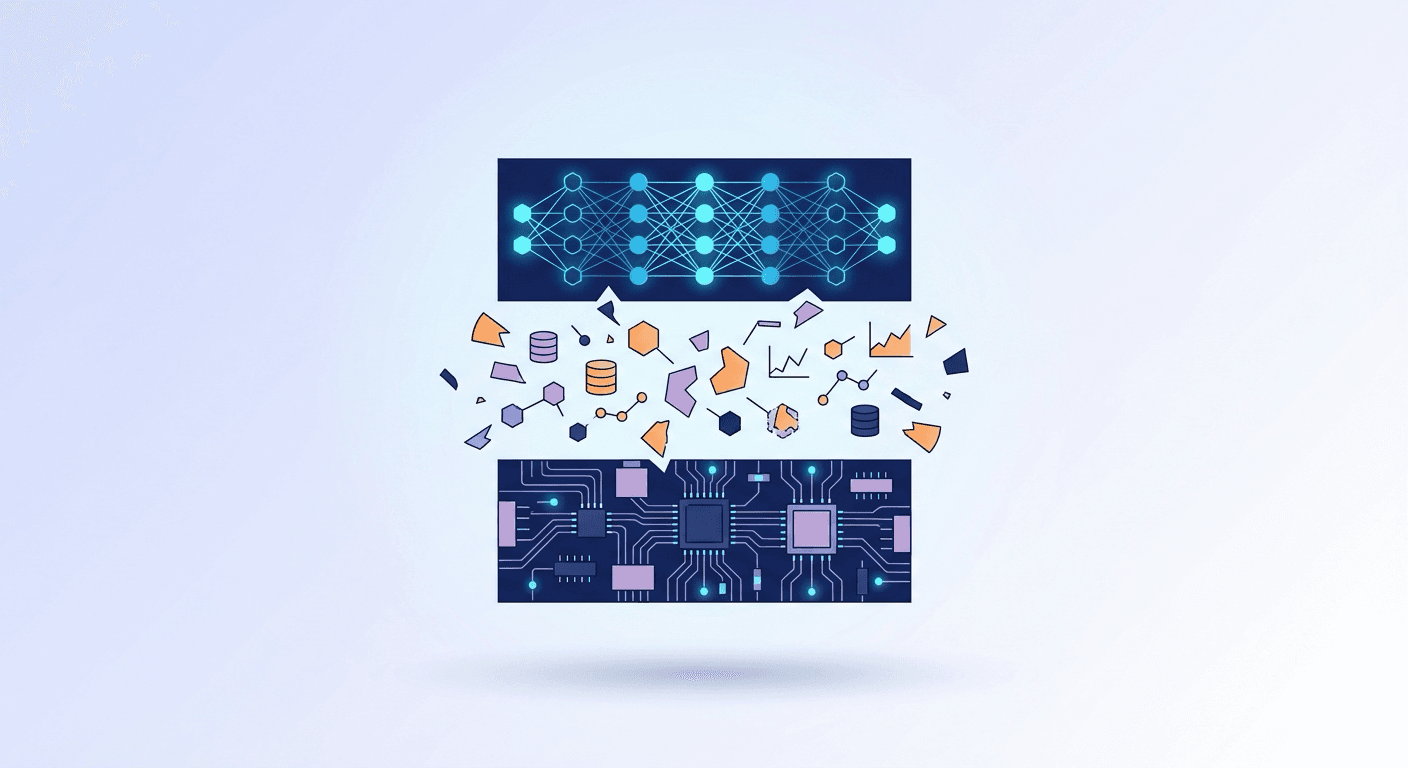
Between models and hardware lies an invisible structural gap — a data layer that should exist but doesn't. We examine why the current AI infrastructure stack is fragmented, why this is a structural problem rather than a transitional one, and what conditions a proper solution must satisfy. We then present UQA and the Cognica engine as one concrete response to these conditions.

Read Post

Tech5 min read
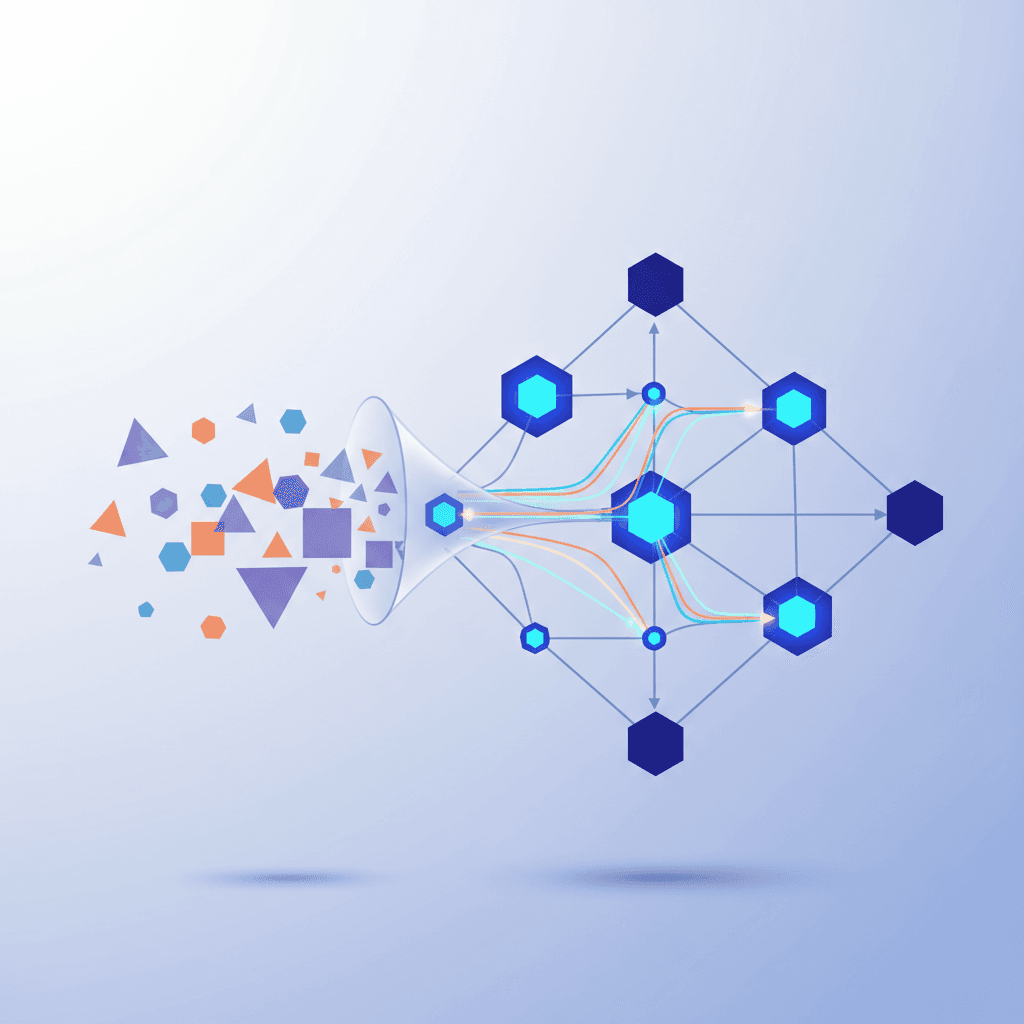
Graph databases solve relationship-heavy problems elegantly, but adding a separate graph system alongside your relational database creates operational complexity. We explain how Cognica integrates graph queries into its unified algebra, enabling Cypher and SQL to compose in a single transaction without data duplication.

Read Post

Insights4 min read
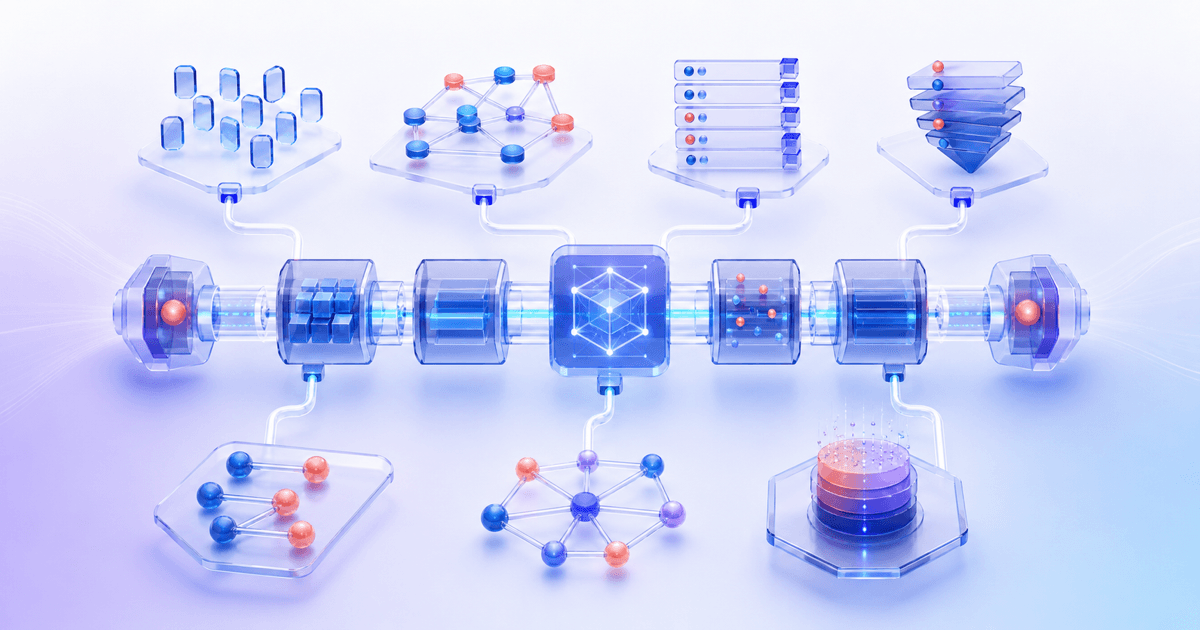
We examine the database architecture changes required by on-device AI. Just as SQLite was the answer for on-device computing, on-device AI requires a new database that integrates transactions, analytics, full-text search, and vector search. We explain why Cognica works identically on-device and on servers.

Read Post

Insights5 min read
This article provides a technical analysis of why legal case search is challenging in the legal services market. We examine the structural characteristics of legal case data and the limitations of existing distributed architectures (RDB + ElasticSearch + Vector DB), and explain why integrated search based on a single database is necessary.

Read Post

Copyright (c) 2023-2026 Cognica, Inc.